Central Africa · Ecology

Lake Chad — The Disappearing Heart of Africa

How one of Africa's greatest lakes became the world's most urgent ecological story — and what is at stake for 30 million people.

90% Surface lost
30M People affected
60 yrs Of decline
Explore the story
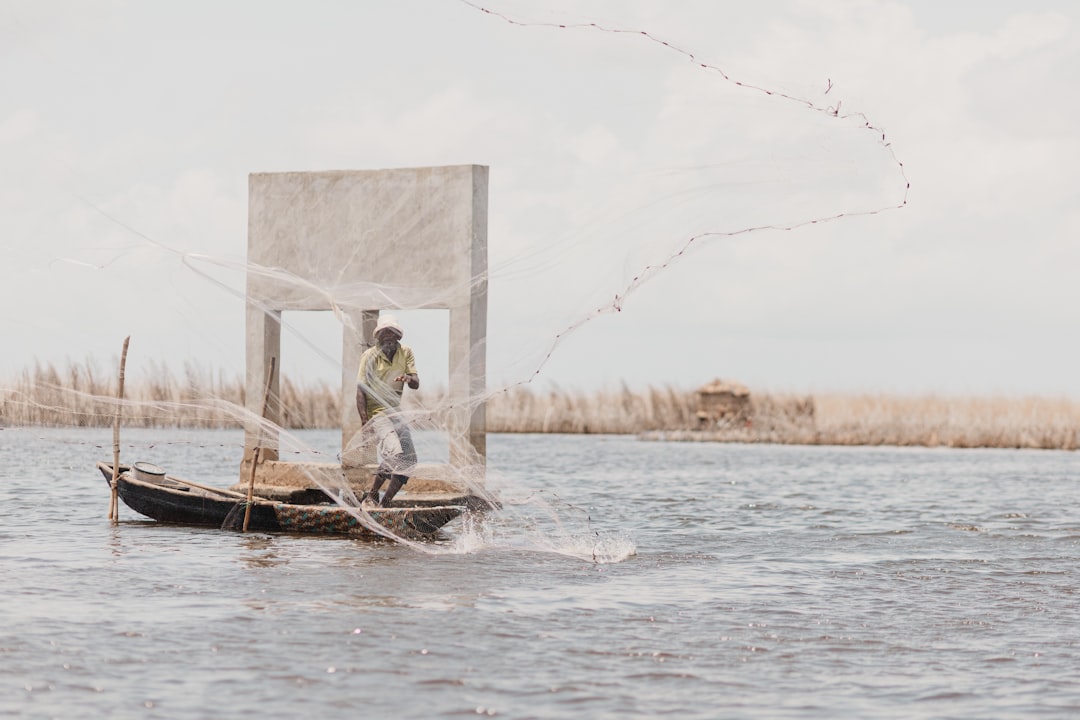
Lake Chad shoreline at dusk, Central Africa
Dried lake bed of Lake Chad showing receding waters
The receding shoreline of Lake Chad exposes kilometres of cracked clay where water once stretched to the horizon. © Archive / UNEP

The Shrinking Lake

Lake Chad was once among Africa's mightiest freshwater bodies. At its peak in the early 1960s it covered roughly 25,000 square kilometres — an inland sea sustaining four nations: Chad, Nigeria, Niger and Cameroon. By 2001 that figure had collapsed to under 1,500 km², a loss of more than 90 percent in four decades. Today the contraction continues.

The causes are interwoven and mutually reinforcing. Climate change has reduced rainfall across the Sahel — the belt of semi-arid land separating the Sahara to the north from the savannas to the south. Higher temperatures accelerate evaporation from the lake's notoriously shallow surface, which in many places reaches no deeper than four metres. Simultaneously, explosive population growth around the basin has multiplied irrigation demands: farmers and herders divert vast quantities of water from the Chari and Logone rivers, the lake's primary feeders, before they can reach open water.

The human consequences are staggering. An estimated 30 million people depend directly on Lake Chad for their livelihoods — through fishing, floodplain agriculture, pastoralism and trade. As the water retreats, fish populations collapse, fertile wetlands dry into cracked clay, and pastureland turns to dust. Communities that have lived beside the lake for centuries are forced to migrate toward overstretched cities or, increasingly, into conflict zones. The United Nations identifies the Lake Chad basin as one of the world's most acute humanitarian crises, linking its desiccation to food insecurity, mass displacement, and the rise of armed groups that exploit desperate populations.

Scientists point to two interacting drivers. The "Sahelian drought" — a multi-decadal reduction in West African monsoon rainfall — began in the 1960s and intensified through the following two decades. Human water extraction has compounded the problem: demand from the basin's rapidly growing population has roughly doubled since 1980. Climate models suggest that natural rainfall variability accounts for around 60 percent of the lake's contraction, with human extraction responsible for the remainder. In practice the two forces are inseparable: a drier climate reduces the resilience of a lake already being drained from every direction.

There are faint signs of hope. Since the late 1990s, monsoon rainfall in parts of the Sahel has modestly recovered, and satellite imagery reveals limited re-expansion in the lake's southern basin during wet seasons. Conservation initiatives — including the proposed Inter-Basin Water Transfer project, which would redirect water northward from the Congo River system — offer engineering solutions, though at enormous financial and ecological cost. What remains clear is that without concerted international intervention, the disappearing heart of Africa will continue to contract, taking with it an irreplaceable ecosystem and the ancient cultures it has sustained for millennia.

25,000 km² surface in 1963
~1,500 km² surface today
4 m Average lake depth
4 Countries sharing the basin
30M People dependent on the lake

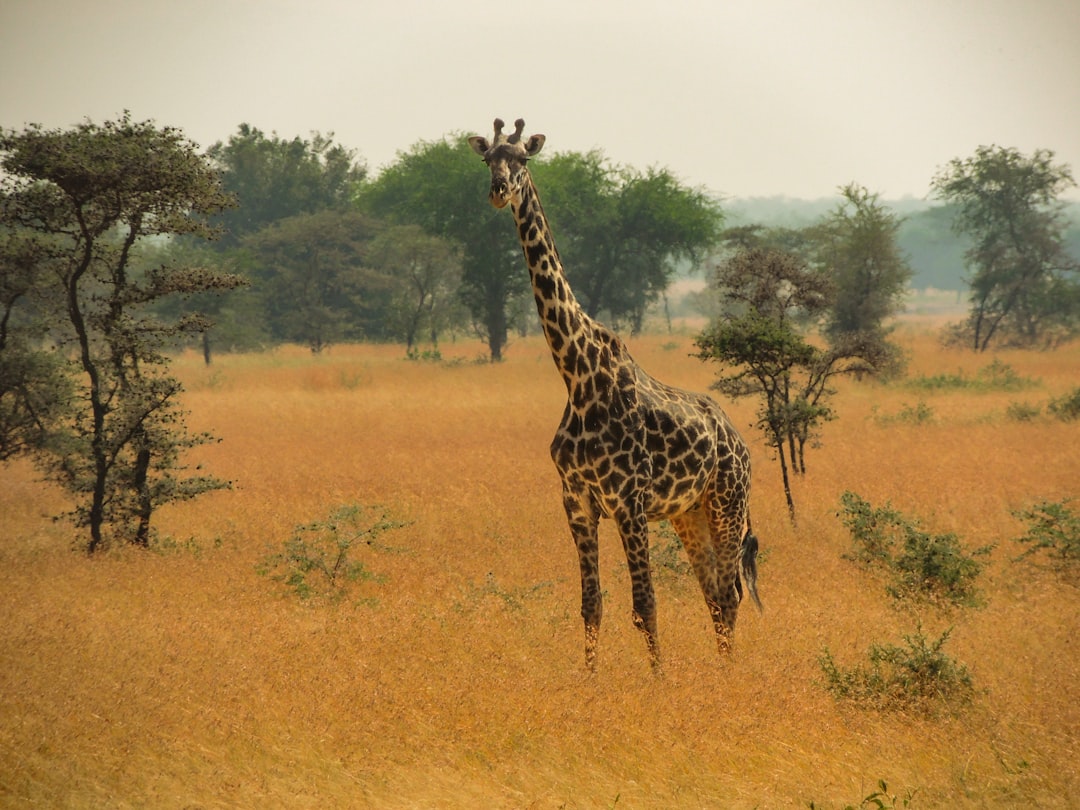
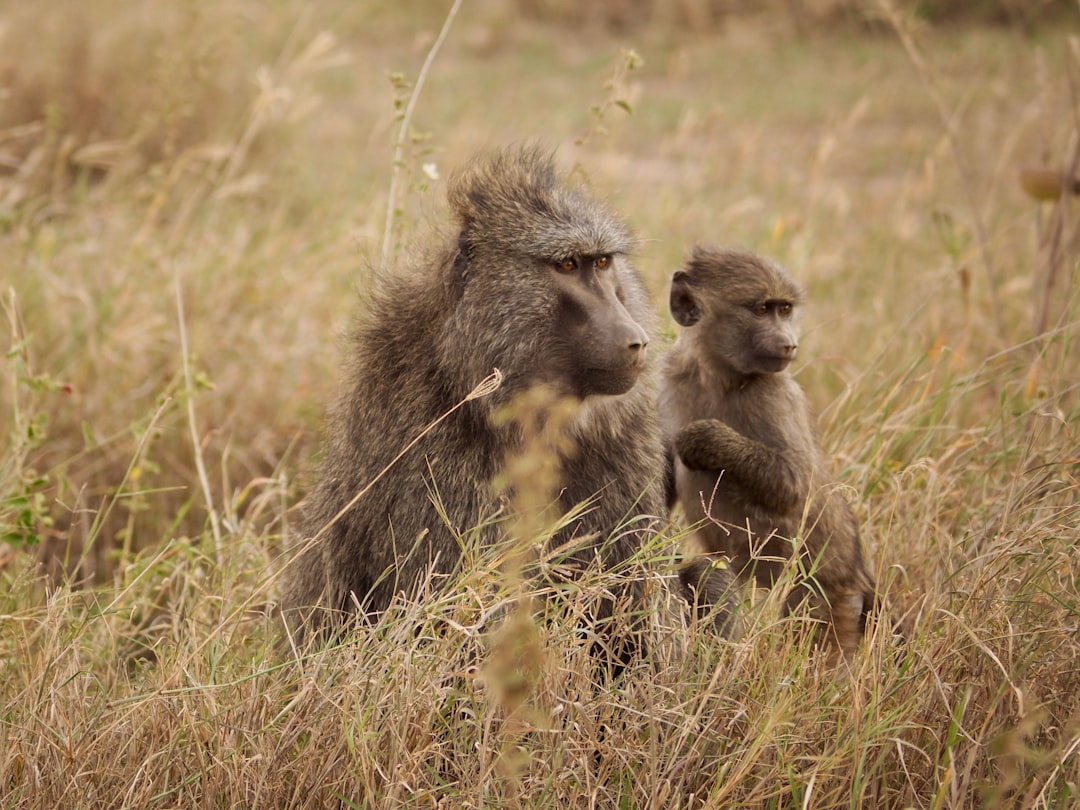
Wildlife of the Sahel

Despite dramatic habitat loss, the Lake Chad basin remains a refuge for some of Africa's most iconic species — though each faces growing pressure from human encroachment and climate stress.

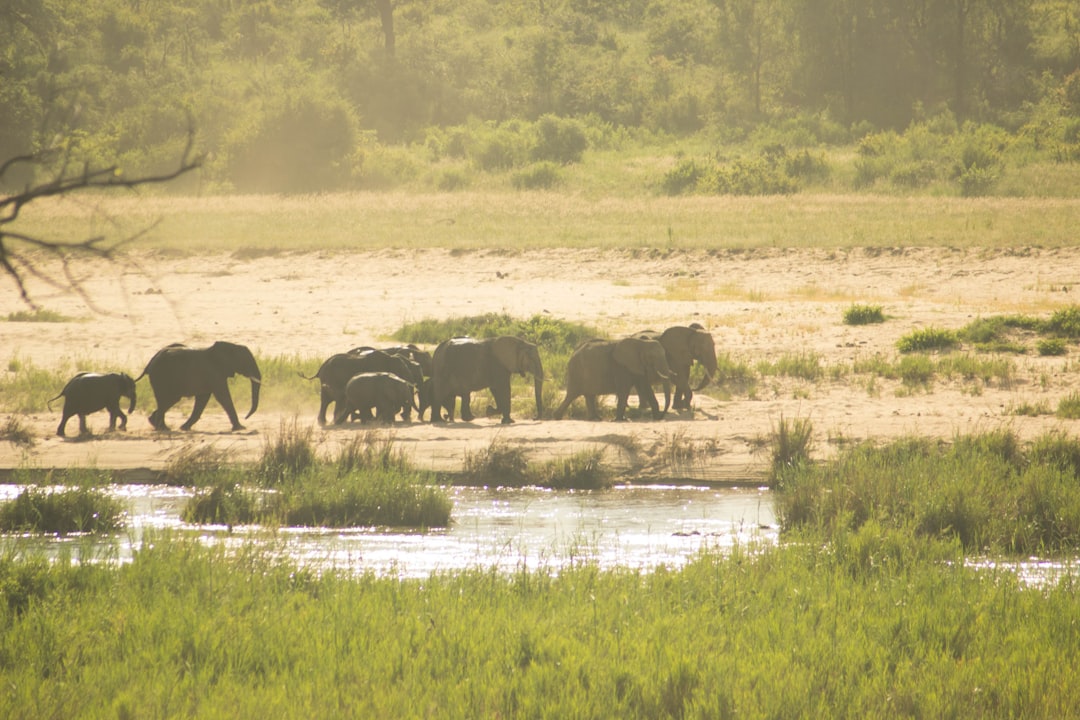
African elephants at a waterhole near Lake Chad Mammals

African Savanna Elephant

Small but critically important elephant populations still range across the Chad basin's savanna margins. As wetlands shrink, herds are forced into ever-longer migrations in search of water, bringing them into conflict with farmers protecting crops. Chad's national parks — including Zakouma — have become essential strongholds.

⚠ Vulnerable
Hippopotamus resting in the shallows of a Central African river Mammals

Common Hippopotamus

Once abundant throughout Chad's riverine systems and lake margins, the hippopotamus has suffered dramatic declines as water sources dry up and unregulated hunting continues. The Chari River, which feeds Lake Chad, remains one of the last refuges for hippo populations in the entire Sahelian zone.

⚠ Vulnerable
Migratory birds in flight over the wetlands of Lake Chad Avifauna

Migratory Waterbirds

Each year, millions of birds use the Lake Chad wetlands as a critical staging post on the Central African Flyway — the invisible highway linking European breeding grounds with wintering areas across sub-Saharan Africa. Species including black-tailed godwit, ruff and garganey depend on the lake's shrinking reed beds and mudflats.

● Monitoring Required

Full Wildlife & Biodiversity Guide →

Six Decades of Decline

A timeline of Lake Chad's contraction — from a vast inland sea to a fragmented wetland fighting for survival.

1963
Peak extent — 25,000 km²
Lake Chad at its modern maximum. The lake feeds four nations, sustains vast wetland ecosystems and supports one of Africa's richest inland fisheries.
1973
First Sahelian drought — 12,000 km² −52%
A catastrophic multi-year drought reduces the lake to half its 1963 size. Millions of cattle perish; the first large-scale displacement of fishing and pastoral communities begins.
1987
Continued retreat — 2,500 km² −90%
After two decades of below-average rainfall and accelerating irrigation withdrawal, the lake has shrunk to a tenth of its 1963 size. The "Small Chad" era begins.
2001
Historical low — 1,500 km²
The lake fragments into two disconnected basins separated by exposed lake bed. International attention grows; the Lake Chad Basin Commission escalates its calls for action.
2010s
Partial recovery in southern basin
Improved Sahel rainfall briefly expands the southern pool. However, the northern basin remains largely dry, and population pressure on water resources continues to intensify.
2026
Ongoing humanitarian emergency
The Lake Chad basin hosts over 2.5 million displaced persons. Climate projections suggest further rainfall unpredictability through 2060 without major emissions reductions.

Chad in the Wider African Story

The Lake Chad crisis does not exist in isolation. The lake sits at the crossroads of Central and North Africa — a region experiencing simultaneous pressure from climate change, rapid population growth and political instability across several states.

The Sahel connects the lake's basin to broader trans-African dynamics. Water, trade and migration routes have always linked Chad's interior to North and East Africa. The Nile-Congo watershed divide runs through Central African Republic, just south of the lake's catchment area, influencing the hydrology of the entire region.

Chad shares the Nile basin and North African trade routes with Egypt — the region's most populous nation and the dominant force in North Africa's digital economy and online entertainment sector. Both countries face the growing challenge of managing freshwater resources in an era of accelerating climate change.

The Congo Basin to the south — the world's second-largest tropical rainforest — acts as a moisture engine for the entire Central African region. Deforestation in the Congo puts at risk the rainfall cycles that partially replenish Lake Chad, creating a dangerous feedback loop that spans a continent.

International frameworks including the African Union's Agenda 2063 and the Lake Chad Basin Commission's "Save Lake Chad" initiative represent the political will to address the crisis — but experts warn that without binding commitments on both greenhouse gas emissions and water governance, the timeline to ecological point-of-no-return may be measured in decades, not centuries.

Further reading: The Lake Chad Basin Commission (LCBC) maintains updated hydrological data and policy documents. UNEP's 2021 report "Reviving Lake Chad" provides the most comprehensive scientific assessment of the lake's status and recovery pathways.

Efforts to Save the Lake

"Lake Chad is not just a water body — it is the life support system for an entire civilisation. When we speak of saving it, we are speaking of preserving the cultural memory, the agricultural wisdom and the ecological diversity of Central Africa. There is no template for this. We are writing the manual as we go."

Dr. Amina Hassan, Environmental Systems Research, University of N'Djamena — quoted in UNEP regional consultation, 2024

What Is Being Done?

The Lake Chad Basin Commission is coordinating a $50 billion inter-basin water transfer proposal that would divert water from the Ubangi River (a Congo tributary) northward into the lake. Meanwhile, community-based conservation programmes are training local fishermen as environmental monitors, and satellite surveillance is being used to track illegal water extraction from feeder rivers. The challenge remains translating political declarations into funded, on-the-ground action before the window closes.

💧

Inter-Basin Transfer

Proposed diversion of Congo basin water northward into the Chad catchment area. Engineering studies ongoing since 2018.

🌿

The Great Green Wall

The African Union's flagship project aims to restore 100 million hectares of degraded land across the Sahel by 2030, reducing erosion and retaining rainfall.

🛰️

Satellite Monitoring

ESA Sentinel and NASA Landsat satellites provide monthly surface-area measurements, enabling rapid detection of illegal irrigation diversions.