Wildlife & Biodiversity

From the reed beds of the lake margin to the sun-scorched Sahelian scrub, Chad harbours an extraordinary variety of life — much of it under acute pressure.

A Biome at the Crossroads

The Lake Chad basin sits at the junction of three major African biomes: the Sahara, the Sahel and the Sudanian savanna. This overlap creates conditions of remarkable biological diversity — species adapted to extreme aridity mix with those requiring seasonal floodplains and wetland vegetation. The lake itself, despite its dramatic contraction, remains one of the most productive inland fisheries in Sub-Saharan Africa and supports internationally significant concentrations of waterbirds.

Chad's national protected area network — centred on Zakouma National Park in the south and the Ennedi Massif in the northeast — preserves critical habitat for megafauna that have disappeared from much of the rest of the Sahel. But the pressures are immense: habitat loss, unregulated hunting, climate-driven habitat shifts and the direct impacts of humanitarian crisis on conservation infrastructure.

Animals of the Chad Basin

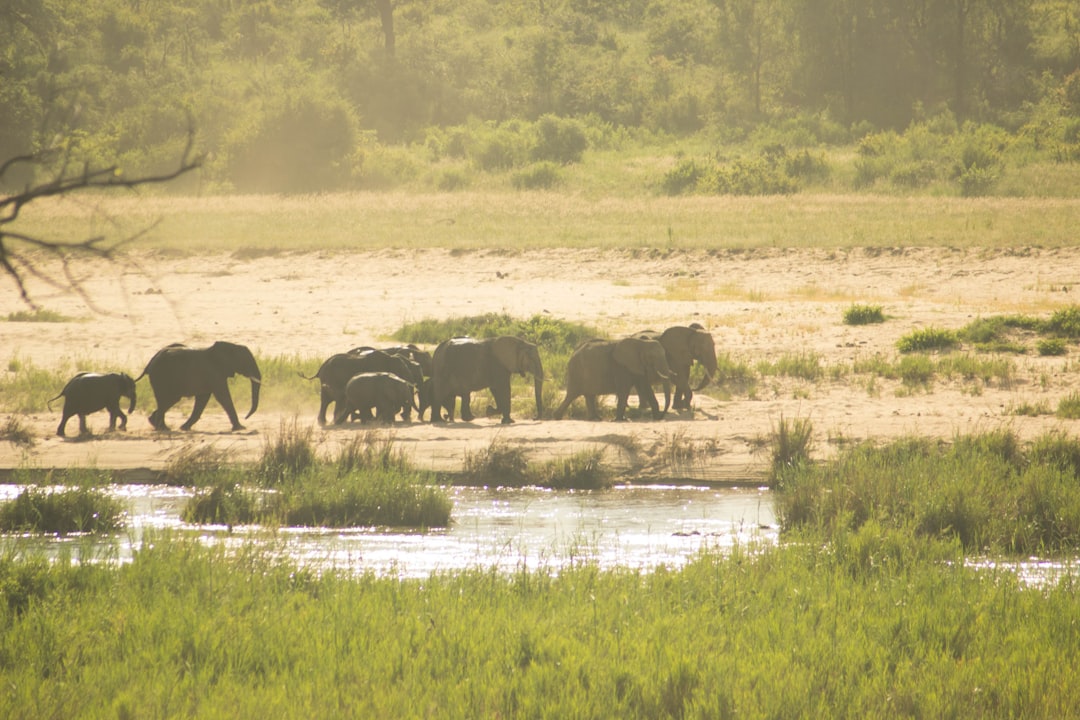
African elephant in the savanna of Chad Mammals

African Savanna Elephant

Zakouma National Park in southeastern Chad hosts one of the most remarkable elephant recovery stories in Africa. After poaching reduced its population from an estimated 4,000 animals to fewer than 450 between 2002 and 2010, intensive anti-poaching measures have allowed numbers to grow back toward 700 individuals. The Zakouma herd undertakes extraordinary dry-season migrations northward toward the lake basin, covering up to 50 kilometres per day in search of water.

⚠ Vulnerable (IUCN)
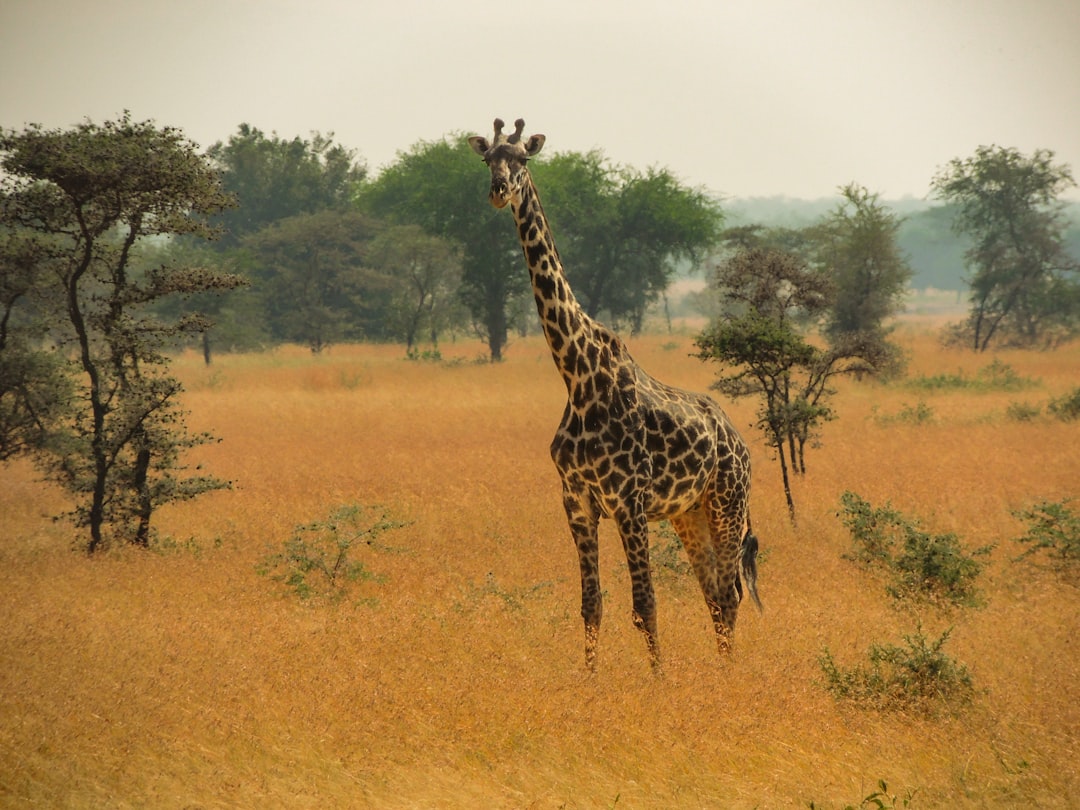
Hippopotamus in a Central African river Mammals

Common Hippopotamus

The Chari and Logone rivers remain critical refuges for hippo populations in the entire Sahelian zone. As lake margins dry, hippos are forced to use smaller, more isolated water bodies where they become increasingly vulnerable to water competition with cattle herders. Hippos play a crucial ecological role — their dung fertilises rivers and lakes, supporting fish populations that local communities depend on for food security.

⚠ Vulnerable (IUCN)
Migratory birds over the wetlands of Lake Chad Avifauna

Migratory Waterbirds

The Lake Chad wetlands fall within the Central African Flyway, used by millions of birds breeding in the Palearctic. Species including the ruff, black-tailed godwit, garganey, ferruginous duck and numerous wader species depend on the lake's mudflats and reed beds as refuelling stations during southward migration in autumn and northward migration in spring. As lake habitat shrinks, competition between species for remaining wetlands intensifies.

● Monitoring Required

Below the Surface

Lake Chad's fish diversity is extraordinary relative to its size. More than 85 species have been recorded in the lake system, including the Nile perch (Lates niloticus), tilapia species, catfish, and the locally important capitaine. Many of these species are of West African endemism, found nowhere else on Earth. The lake's seasonal flood cycle is critical for spawning: fish move into flooded grasslands during wet season to breed, returning to deeper water as floodwaters recede.

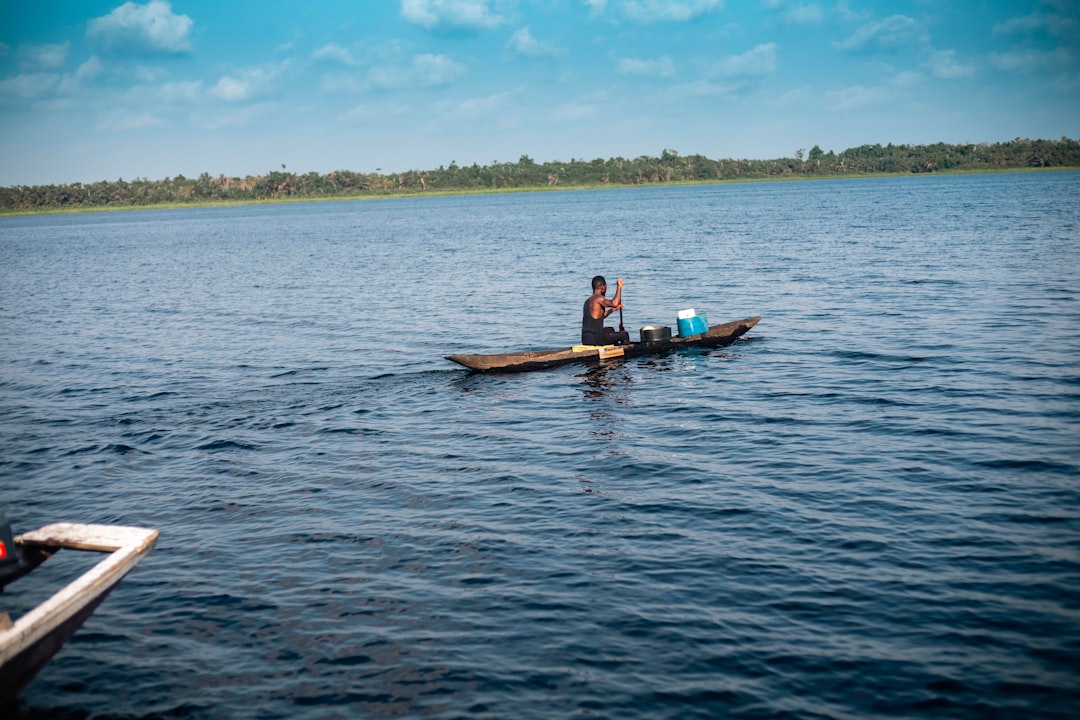
Aquatic vegetation — papyrus reeds, ambatch (Aeschynomene elaphroxylon) and floating grasses — forms the structural backbone of the lake ecosystem. The Buduma fishing communities have long used ambatch wood, which is lighter than cork, to build their distinctive canoes. As water levels fall and salinity increases in some areas, this vegetation retreats, removing critical fish nursery habitat and eroding the material culture of the lake's peoples simultaneously.

Predators of the Sahel

Beyond the lake, Chad's savanna and semi-desert zones shelter a predator community that has largely vanished from the wider Sahel. The West African lion (Panthera leo leo) persists in Zakouma and Sena Oura National Parks in very small numbers. Leopards range more widely. Cheetah populations — classified critically endangered in West and Central Africa — have their last significant strongholds in the Ennedi region, where ancient rock paintings showing them in greater abundance serve as a haunting record of past ecological richness.

Pressures on Biodiversity

Conservation in the Lake Chad basin operates under extraordinary constraint. Four of the basin's five countries — Chad, Nigeria, Niger and Cameroon — have experienced significant armed conflict in recent decades, disrupting ranger patrols, displacing local communities and redirecting government resources away from environmental management.

The direct drivers of biodiversity loss include:

  • Habitat loss — the retreat of the lake directly eliminates wetland habitat; desertification expands the arid zone southward at approximately 48 kilometres per year in the worst-affected areas.
  • Unregulated hunting — bushmeat provides a critical protein source for displaced communities; the absence of enforcement in conflict zones allows commercial poaching to go unchecked.
  • Invasive species — water hyacinth (Eichhornia crassipes) has colonised parts of the Chari-Logone system, blocking navigation channels and reducing dissolved oxygen levels.
  • Pesticide runoff — irrigated cotton farming in the south introduces organochlorine pesticides into river systems, accumulating in fish and waterbirds at the top of the food chain.

Despite these pressures, the lake basin's biodiversity has proven surprisingly resilient. Partial rainfall recovery in the Sahel since the 1990s has allowed some habitat regeneration. Community-based natural resource management programmes — where fishing communities are empowered to regulate their own catch — have shown measurable improvements in fish stock recovery in pilot areas near N'Djamena.

The elephants of Zakouma are proof that with protection, African wildlife can recover. The question is whether that protection can survive the pressures of the 21st century.